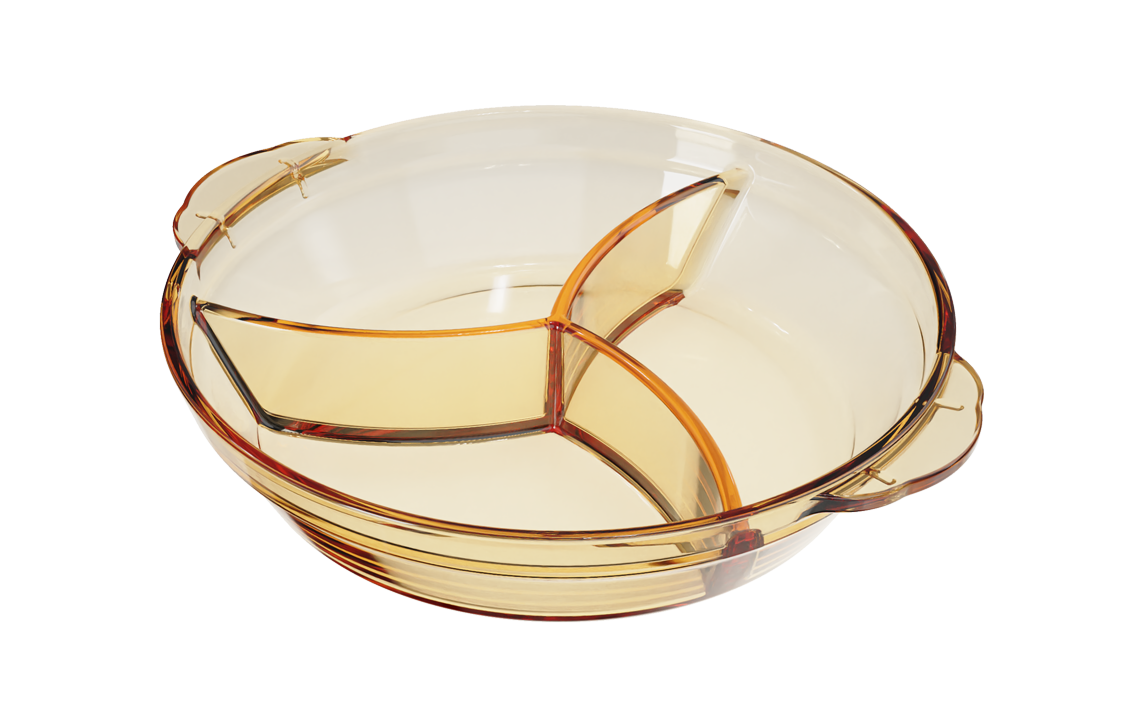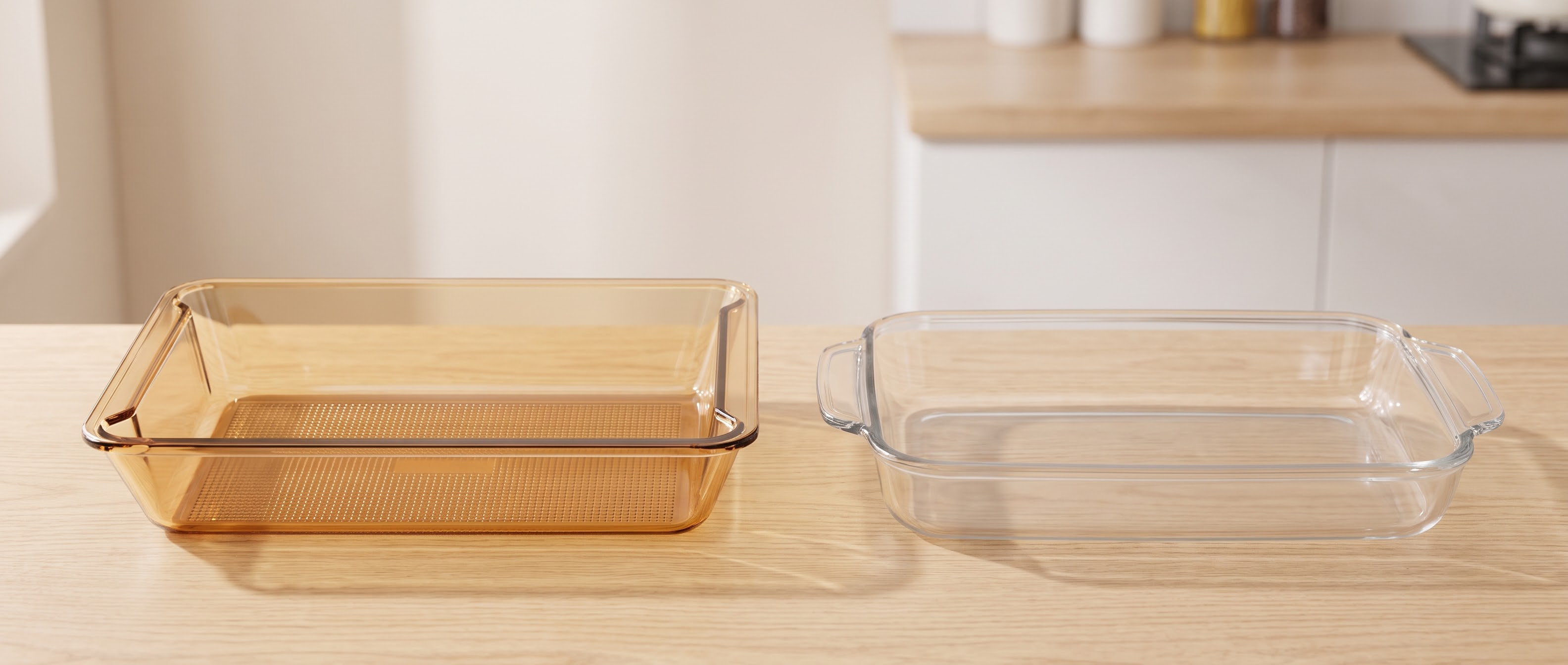
For B2B buyers, the difference between soda-lime glass and borosilicate glass is not simply a choice between a “basic” and a “better” material. Each glass family has its own composition, production characteristics and suitable applications. The correct choice depends on the intended use, product design, documentation requirements, target market and price position of the collection.
This guide compares the two materials from a sourcing perspective. It also explains which conclusions can be drawn from material data and which claims still require product-specific testing.
The Short Answer
Soda-lime-silica glass is the most widely used family of commercial glass and is common in bottles, jars, tableware and flat glass. Borosilicate glass contains boron oxide as an important part of its formulation and generally has a substantially lower coefficient of thermal expansion.
That lower expansion is the main reason borosilicate glass is often selected for kitchenware expected to experience temperature changes. However, the material name alone does not establish the safe operating temperature, thermal-shock limit, impact strength or regulatory status of a finished container.
For procurement purposes, soda-lime glass can suit many room-temperature serving, storage and tableware applications, while borosilicate glass is often preferred when lower thermal expansion is important. A finished product must still be evaluated by model, construction, accessories and intended market.
What Does “Ordinary Glass” Mean?
“Ordinary glass” is a commercial expression rather than a precise technical specification. In kitchenware discussions, it often refers to soda-lime-silica glass, but a buyer should ask the supplier to state the actual glass type instead of relying on the word “regular.”
The composition of soda-lime glass varies by formulation. A NIST publication gives one nominal soda-lime-silica float-glass composition of approximately 72% silicon dioxide, 13.9% sodium oxide, 8.4% calcium oxide and 3.9% magnesium oxide. This is a useful reference example, not a universal recipe for every soda-lime kitchenware product.
Borosilicate formulations also vary. ISO 3585:1998 addresses the properties of borosilicate glass 3.3, while other borosilicate formulations may have different expansion values and compositions. Buyers should therefore avoid assuming that every product described as borosilicate is identical to a particular branded technical glass.
Material and Composition Differences
The most important compositional distinction is the presence of a meaningful proportion of boron oxide in borosilicate glass. Boron helps create a glass network with lower thermal expansion than conventional soda-lime glass.
Comparison Point
Soda-Lime-Silica Glass
Borosilicate Glass
Main formulation concept
Silica with soda and lime-related constituents
Silica with boron oxide and other constituents
Thermal expansion
Generally higher
Generally lower
Typical sourcing applications
Bottles, jars, tableware and many general-use glass products
Bakeware, food containers, laboratory ware and other applications where lower expansion is useful
Breakage
Can break from impact, damage or unsuitable temperature change
Can also break from impact, damage or unsuitable temperature change
Documentation needed
Material identification plus product- and market-specific documents
Material identification plus product- and market-specific documents
HENGSHENGFAN has two chemical-composition reports for submitted glass bowl samples. The principal reported ranges were:
Silicon dioxide (SiO2): 77.71%–78.75%
Boron oxide (B2O3): 12.47%–13.34%
Sodium oxide (Na2O): 4.76%–4.80%
Aluminium oxide (Al2O3): 2.14%–2.18%
The reports are numbered O3066/H240809-010 and O3066/H240809-011 and were issued in August 2024. Our manufacturing team confirms that the glass bodies across the current range use a consistent borosilicate glass material system. The laboratory results remain representative sample data rather than individual certification of every finished model.
Buyers who need the full result ranges and testing scope can read our borosilicate glass composition guide.
Why Thermal Expansion Matters
Glass expands when heated and contracts when cooled. If different areas of a product change temperature at different rates, stress can develop in the glass. A lower coefficient of thermal expansion generally improves resistance to stress caused by rapid temperature change.
As reference values, NIST lists a coefficient of linear expansion of 8.3 × 10^-6 per °C from 24°C to 300°C for the specific soda-lime-silica float glass described in its publication. SCHOTT lists 3.25 × 10^-6 per K from 20°C to 300°C for BOROFLOAT 33 borosilicate glass and states that its coefficient is about three times lower than that of soda-lime glass.
These figures explain the general material difference, but they are not performance specifications for HENGSHENGFAN containers. Our two composition reports did not measure the coefficient of thermal expansion or establish a thermal-shock limit for every product.
For a specific food container or bakeware item, buyers should request the applicable product information or testing rather than transferring a technical value from another manufacturer's reference glass.
Lower Expansion Does Not Prevent Breakage
Thermal resistance and mechanical impact resistance are different properties. Borosilicate glass can still break if it is dropped, struck, scratched, chipped or used outside the instructions applicable to the product.
Finished-product performance can be affected by:
Product shape and wall-thickness distribution
Rim and corner geometry
Residual stress and annealing control
Surface scratches or edge damage
Decoration, coating or secondary processing
Temperature difference and the rate of change
Contact with a cold, wet or uneven surface
This distinction matters in supplier comparisons. A broad statement about high-temperature performance is not enough to establish a use instruction for a particular SKU. Ask for a defined test method, sample description and result.
Which Material Should a B2B Buyer Choose?
When Soda-Lime Glass May Be Appropriate
Soda-lime glass may be suitable when the product is intended primarily for serving, display, ambient storage or other uses without demanding temperature changes. It can also be relevant where buyers want a familiar high-volume material and the product design does not require the lower expansion associated with borosilicate glass.
When Borosilicate Glass May Be Preferred
Borosilicate glass may be preferred for food-storage containers, bakeware or other kitchenware programs where lower thermal expansion supports the intended application. For importers and private-label brands, it can also provide a clear material position for a coordinated range of containers, bowls, plates and bakeware.
Material selection does not replace model-specific review. The intended oven, microwave, freezer or dishwasher claims—if required—must be confirmed for the selected product and supported by appropriate information. A buyer should not infer “freezer directly to preheated oven” from the term borosilicate alone.
You can view our borosilicate food-storage container category or explore borosilicate bakeware to identify models for review.
What Documents Should Buyers Request?
A useful sourcing file separates the glass body from the complete product. For the glass body, consider requesting:
Material identification or chemical-composition information
The report number, sample name, test date and laboratory
Any relevant thermal or functional test for the selected model
Confirmation of whether the report is representative or product-specific
For a container with a lid, also review:
Lid material
Silicone seal or gasket material
Valves, handles, coatings, printing and decorative components
Documentation relevant to the destination market and intended use
A glass-body report does not automatically cover a plastic lid, silicone ring or printed decoration.
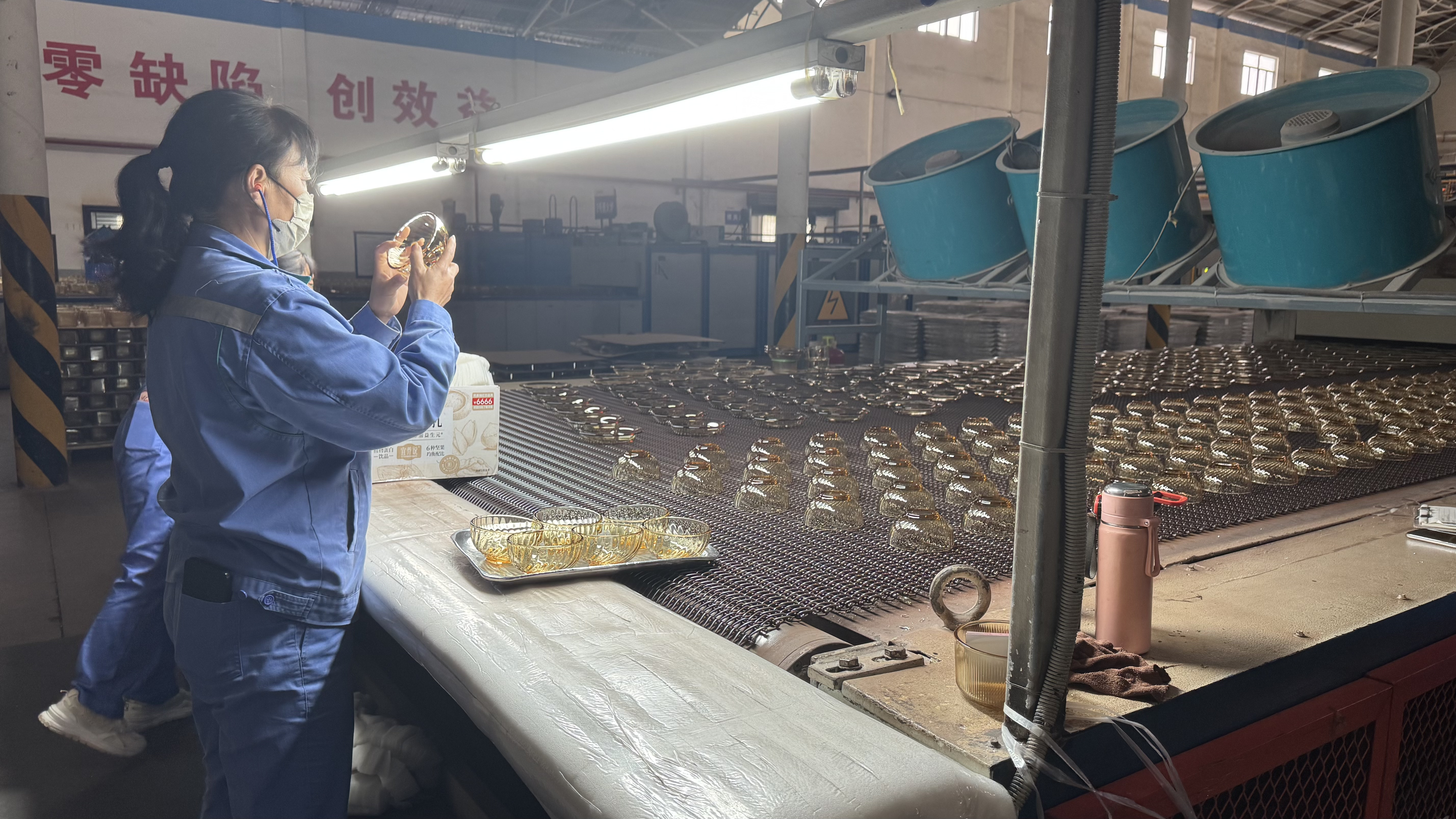
Supplier Checklist for Comparing Quotations
Before comparing prices, send each potential supplier the same product brief and ask the same questions:
What is the stated glass type?
Which document supports that material statement?
Does the document apply to the glass body, one component or the complete product?
Is the report tied to the selected model or presented as representative material evidence?
What are the lid and seal materials?
Which use instructions have been confirmed for the selected SKU?
What packaging structure and carton quantity apply?
What documentation is needed for the destination market?
Are samples available for review before a larger order?
Can selected in-stock models be combined in a mixed-model trial order?
This approach makes supplier comparisons more reliable because it separates material facts from finished-product claims.
Frequently Asked Questions
Is borosilicate glass always better than soda-lime glass?
No. Borosilicate glass has lower thermal expansion, but the appropriate choice depends on the product's intended use, design, price position and required documentation. Soda-lime glass remains suitable for many general-use applications.
Is all clear glass soda-lime glass?
No. Both soda-lime and borosilicate glass can be clear. Colour and appearance alone do not reliably identify the material.
Does amber colour prove that a product is borosilicate glass?
No. Colour does not prove the base-glass formulation. Ask the supplier for a material statement or relevant supporting document.
Can every borosilicate container go directly from a freezer into a hot oven?
That should not be assumed. The instruction must be confirmed for the specific product using applicable product information or testing.
Does a glass composition report cover the lid and silicone seal?
No. A glass-body composition report covers the submitted glass sample. Lids, seals and other accessories require separate review.
What should I include in a wholesale enquiry?
Provide the product codes, estimated quantities, destination country, intended use, packaging requirements and any documents your market or customer requires. This allows the supplier to check the correct product and component information.
Discuss Your Glassware Sourcing Project
HENGSHENGFAN supplies borosilicate glass food containers, bakeware, bowls, plates and serveware for wholesale and private-label projects. Selected in-stock products may support low trial quantities and mixed-model orders, subject to inventory and carton packing.
Send us the product codes you are considering, your destination market and your documentation requirements. We will review the selected models with the manufacturing team and confirm the applicable product information, packaging options and quotation details.
Explore our wholesale borosilicate glassware range or review our quality and packaging approach.